
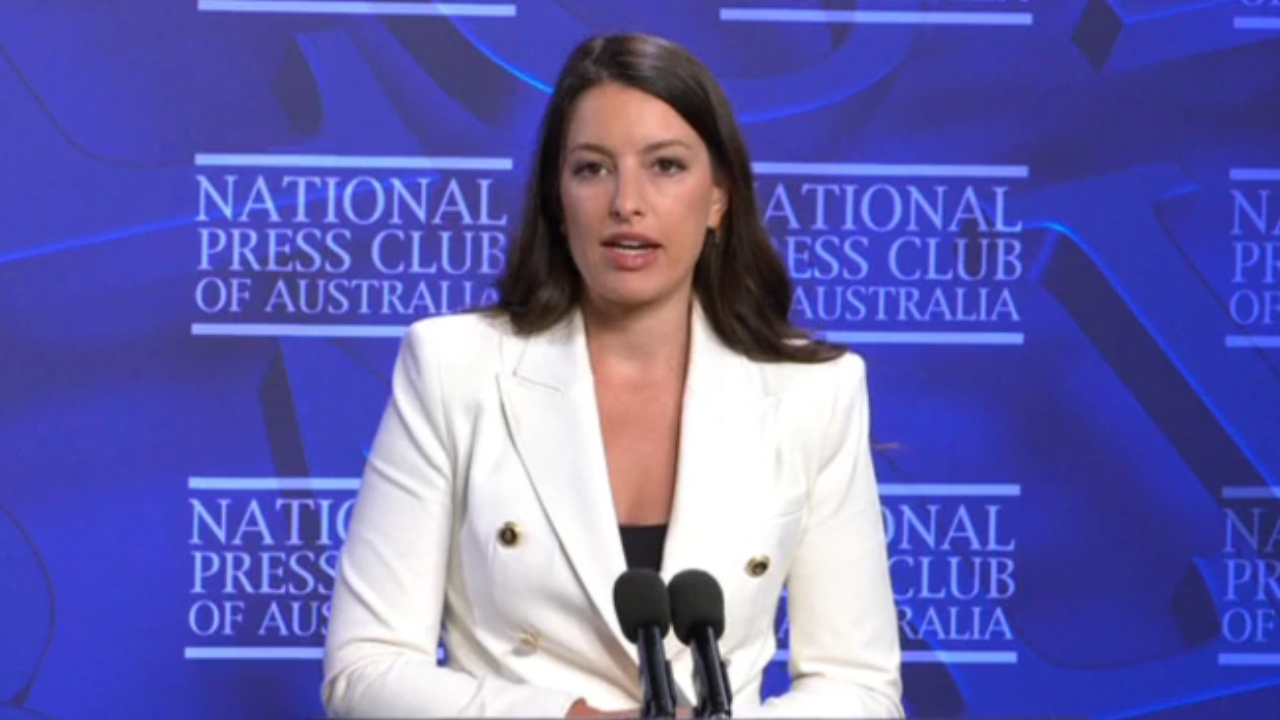
Olivia Caisley Biography – Every Report Shapes Australia’s Political Future
Olivia Caisley is one of the few journalists in Canberra’s busy press gallery who combines intelligence, accuracy, and restraint. She has gone from being a new reporter in the newsroom to one of Australia’s most well-known political reporters over the course of more than ten years. She is known for her sharp analysis and quiet authority.
She is now a Federal Political Reporter for ABC News, and her commentary reaches millions of people through Afternoon Briefing, Insiders, and Weekend Breakfast. But behind that public persona is a very private person who lets her work speak for itself, not her life story.
Life and Background in the Past
Olivia Caisley was raised in Australia by a family that has stayed out of the public eye. She has never talked about her parents or siblings because she likes to keep family matters separate from work.
This ability to keep things to herself has become a part of who she is. In a time when reporters often build their brands by exposing themselves, Caisley’s choice to keep her upbringing private shows how dedicated she is to being neutral. Even though she hasn’t said much about her past, it’s clear that it taught her discipline, empathy, and curiosity—traits that now define her reporting.
Education – Laying the Groundwork for Perspective
Caisley’s schoolwork shows how carefully she learned about history, language, and international politics.
- Bachelor of Media and Communications from the University of Sydney, with majors in History and French. This gave her the analytical and cultural skills to look at global trends from an Australian point of view.
- University of Technology Sydney offers a Master of Arts in International Relations. helped her understand diplomacy, foreign policy, and international law better, which added to the cross-disciplinary insight that was clear in her reporting.
Her background in both communication and global affairs helps her break down complicated policy stories and show how Australia fits into the world order. It also means that her political coverage often includes a subtle understanding of the economic and diplomatic effects, which sets her apart from other commentators who are more reactive.
Starting out at The Australian
Olivia Caisley started her career as a journalist at The Australian, where she quickly rose to the position of Federal Political Reporter in the paper’s Canberra bureau.
She wrote about a number of important national events for The Australian that put the country’s political and social strength to the test:
- The Black Summer Bushfires (2019–2020), looking at how the government reacted and how the community got back on its feet.
- The Royal Commission into National Disaster Arrangements, which talks about policy failures and new ways to manage emergencies.
- The Aged-Care Crisis during the COVID-19 pandemic, which showed how there were gaps in the rules and how ministers were responsible.
Her reporting was both accurate and compassionate towards regular Australians who were affected by policy decisions. She became known as a journalist who could turn bureaucratic language into stories about real people here.
Change to Sky News Australia
Caisley became a political reporter and analyst for Sky News Australia after making a name for herself in print. The move meant she was now a live broadcast journalist, which requires quick thinking and staying calm under pressure.
People who wanted daily political news got to know her well at Sky News. She reported on budget announcements, leadership spills, and parliamentary debates, giving fair analysis instead of sensationalism.
The change showed how flexible she was: she could go from long investigative writing to short on-air commentary without losing any meaning. In a media world that is becoming more and more divided, her calm, evidence-based style stood out.
Joining ABC News: A Big Step in Her Career
As a Federal Political Reporter for ABC News in 2022, Olivia Caisley was at the centre of national news coverage.
She now works from Parliament House in Canberra and is a part of major shows like Afternoon Briefing, Insiders, and Weekend Breakfast. Her presence on television, radio, and the internet lets her reach a wide audience without losing the analytical depth that made her print career so successful.
Her ABC reporting often deals with issues like:
- Changes to economic and energy policy.
- Laws about climate change and being responsible for the environment.
- The relationship between the federal government and the states, as well as how the government gets money.
- Australia’s diplomatic relations with the United States and the Indo-Pacific.
The move to ABC was not only a step up in their careers, but also a step in the right direction for the editorial staff. Caisley’s journalistic philosophy was perfectly in line with the public broadcaster’s focus on unbiased analysis.
Why She Values Her Privacy
Olivia Caisley keeps her personal relationships mostly private, unlike many modern journalists who try to become famous. She has never said for sure if she is married or has kids, and she doesn’t go to public events very often outside of work.
This deliberate separation maintains her credibility. In a field where personal bias is often looked at closely, her shyness makes sure that people only judge her work on its content. It also shows an older journalistic value, which said that accuracy, not personality, gave you power.
The Strength of Social Media
Caisley is private in real life, but she is active online as @livcaisley on X (formerly Twitter). Her feed is now a must-read for both political insiders and regular people who care about politics.
She doesn’t use social media to promote herself; she uses it as a business tool:
- Sharing real-time news from Parliament House.
- Writing brief analyses of breaking political news.
- Making stories that might not get much attention bigger.
Her tone is calm, factual, and polite, which is becoming less common on social media. This level of professionalism has helped her gain more and more followers and made her one of the most trusted digital voices in Australian politics.
Financial Situation and Career Value
Olivia Caisley’s estimated net worth is between A$1 million and A$5 million, based on her consistent work at major outlets over the past ten years.
She makes a lot of money from her jobs at The Australian, Sky News Australia, and now ABC News, which are all at the top of the Australian journalism world.
She doesn’t talk about money in public, but this value shows how senior, reliable, and in-demand she is as a political expert who is often asked to give her opinion on a variety of platforms.
Recognition and Reputation in the Workplace
Even though she hasn’t publicly accepted formal awards, her peers and viewers always say she’s one of Australia’s most reliable political journalists.
There are three things that make her credible:
- Depth of Knowledge: Because of her education, she can put policy debates in the context of global trends.
- Clear Communication: She makes hard topics like fiscal reform or changes in foreign policy easier to understand without making them sound dumb.
- Integrity and Neutrality: By not using partisan language, she builds trust with readers from all political backgrounds.
People who work in the news business say that her coverage often affects what newsrooms do, with editors using her analyses to plan follow-ups on stories about the economy or policy.
Impact on public policy and national discussion
Olivia Caisley’s reporting does more than just keep people up to date; it also often helps shape the national conversation.
Her study of climate and energy policy has changed how Australians talk about the costs of change and the role of the government.
Her study of economic reform has made it clear how taxes and budget priorities affect families.
Her writing about international relations, especially trade and defence, has helped people understand Australia’s place in a world that is changing quickly.
By keeping interviews based on facts and not letting her own beliefs get in the way, she lets people come to their own conclusions. This is why both policymakers and academics use her work to talk about governance and accountability.
Life in Canberra and what I do now
Olivia Caisley works full-time in the Parliament House press gallery and lives in Canberra. The job requires long hours and always being ready for breaking news.
Even though things are getting tense, she keeps her trademark calmness—she appears on air with the same calm authority that viewers expect from ABC News. Her coworkers say she is collegial, analytical, and careful to check every fact before it goes on the air.
She lives a quiet life outside of work and doesn’t go to many social events or lifestyle features. This balance between being seen and being private helps her stay grounded in a world where politics and publicity are often the most important things.
What he left behind and how it changed Australian journalism
Olivia Caisley is a new kind of Australian political journalist: smart, aware of what’s going on in the world, and always professional.
Her career shows that you don’t have to be involved in a lot of drama or be well-known to be successful in the media. Instead, consistency, insight, and credibility are still important.
Her coverage of bushfires, pandemics, economic reforms, and changes in diplomacy has shown that journalism can both inform and improve people’s understanding.
Her calm presence on TV and social media reminds Australians that the best political reporting is a service to the public.
Final Thoughts
Olivia Caisley’s career has been defined by accuracy, depth, and respect for truth since her first job at The Australian and now at ABC News. Her work helps Australians understand the complicated world of modern politics by bridging the gap between citizens and their government.
By keeping her personal life private and her reporting public, she makes sure that the focus stays on the problems that are affecting the country.
Olivia Caisley stands out in a world of noise because she is so clear. Every report she gives continues to shape the future of politics in Australia.
Get More updates Auburn Times & Australian Magazine